


Where it began
Ancient nomadism in Mongolia is defined by a 3,000-year-old tradition of pastoralist living, characterized by seasonal migration and the "five muzzles" of livestock: horses, sheep, goats, cattle, and camels. Historically, this lifestyle facilitated the rise of several powerful nomadic empires that shaped Eurasian history long before the modern era
Key Cultural & Lifestyle Traits
The Ger (Yurt): A portable, circular dwelling made of felt and lattice wood, perfectly adapted for rapid assembly and extreme climates.
Horse Culture: The domestication of the horse (c. 1200–700 BCE) was the turning point for nomadic societies, enabling the mobility required for both pastoralism and warfare.
Diet: Nomads subsisted primarily on "white foods" (dairy products) and "red foods" (meat, mainly mutton) provided by their herds.
Religion: Early nomads practiced Shamanism, worshiping the "Eternal Blue Sky" (Hoh Tenger). Tibetan Buddhism was later introduced in the 13th century and became widespread by the 16th century.
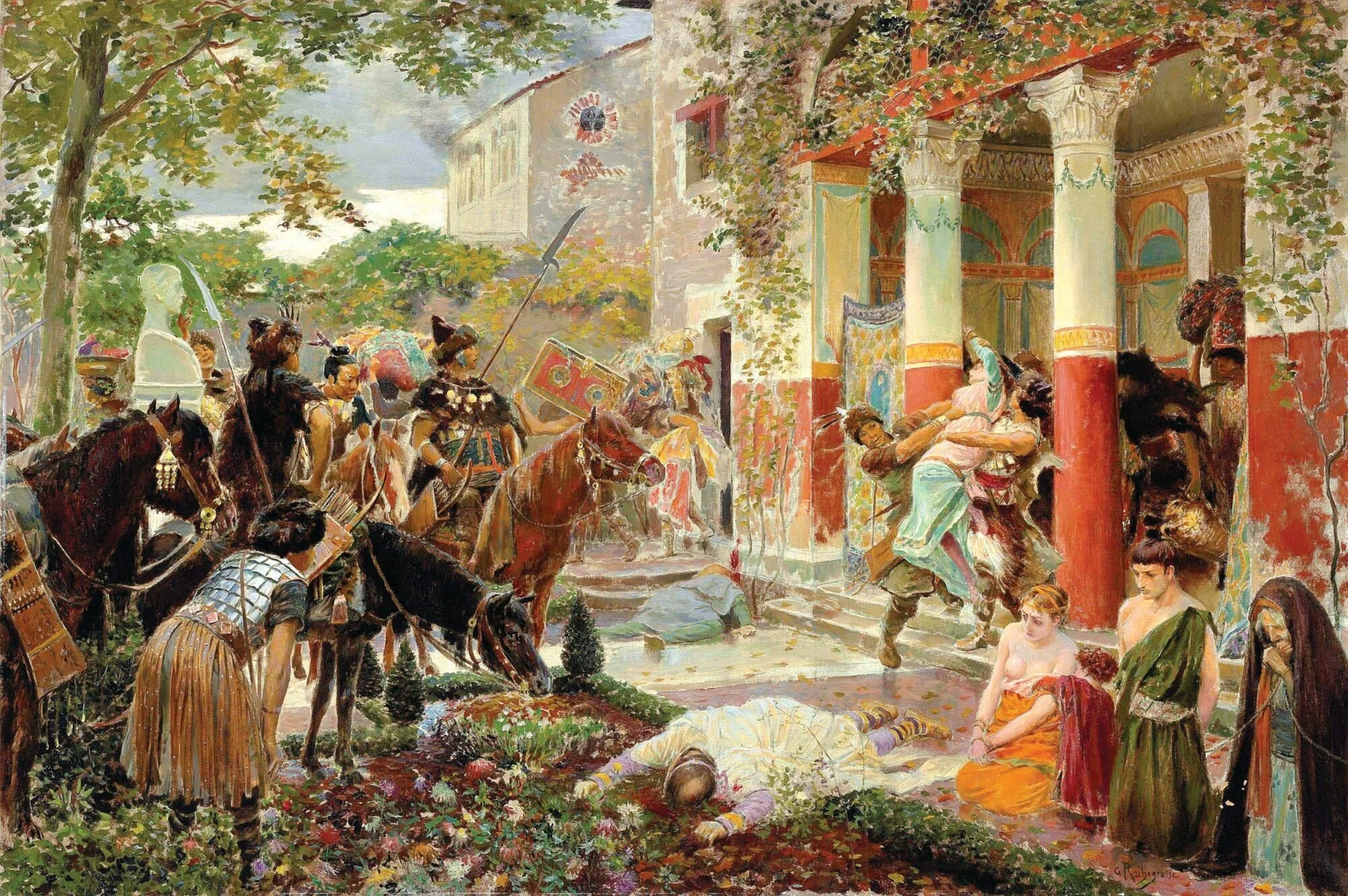
Major Ancient Nomadic Empires
The Mongolian plateau has been the cradle of numerous states that alternated between tribal conflict and unified empire-building:
Xiongnu (209 BC – 93 AD): The first major nomadic confederation to form an organized state in Central Asia. Founded by Modun Shanyu, they established the first "decimal" military system later used by Genghis Khan.
Xianbei (93 – 234 AD): A proto-Mongolic group that rose to power after the Xiongnu weakened. They expanded their territory from the Korean Peninsula to Lake Baikal.
Rouran Khaganate (330 – 555 AD): Notable for being the first to use the imperial title "Khagan". They are believed by some historians to be the ancestors of the Avars who later migrated to Europe.
Turkic Periods (552 – 840 AD): The Göktürks overthrew the Rouran, marking a shift toward Turkic dominance in the region. They were eventually succeeded by the Uyghur Khaganate (744–840 AD), which introduced more complex political and economic structures, including their own script.
Liao Dynasty (916 – 1125 AD): Established by the Khitans (para-Mongolic people), they ruled Mongolia and parts of Northern China.