Horseback Riding
*If you wish to travel solo, you may book the 1 pax option, however, you prefer to travel in a group with others, let us know your preferred group size and we will give you a quote based on the availability. Contact us for further questions.
*For tour customization, feel free to contact and book a call with us by clicking on the button below:
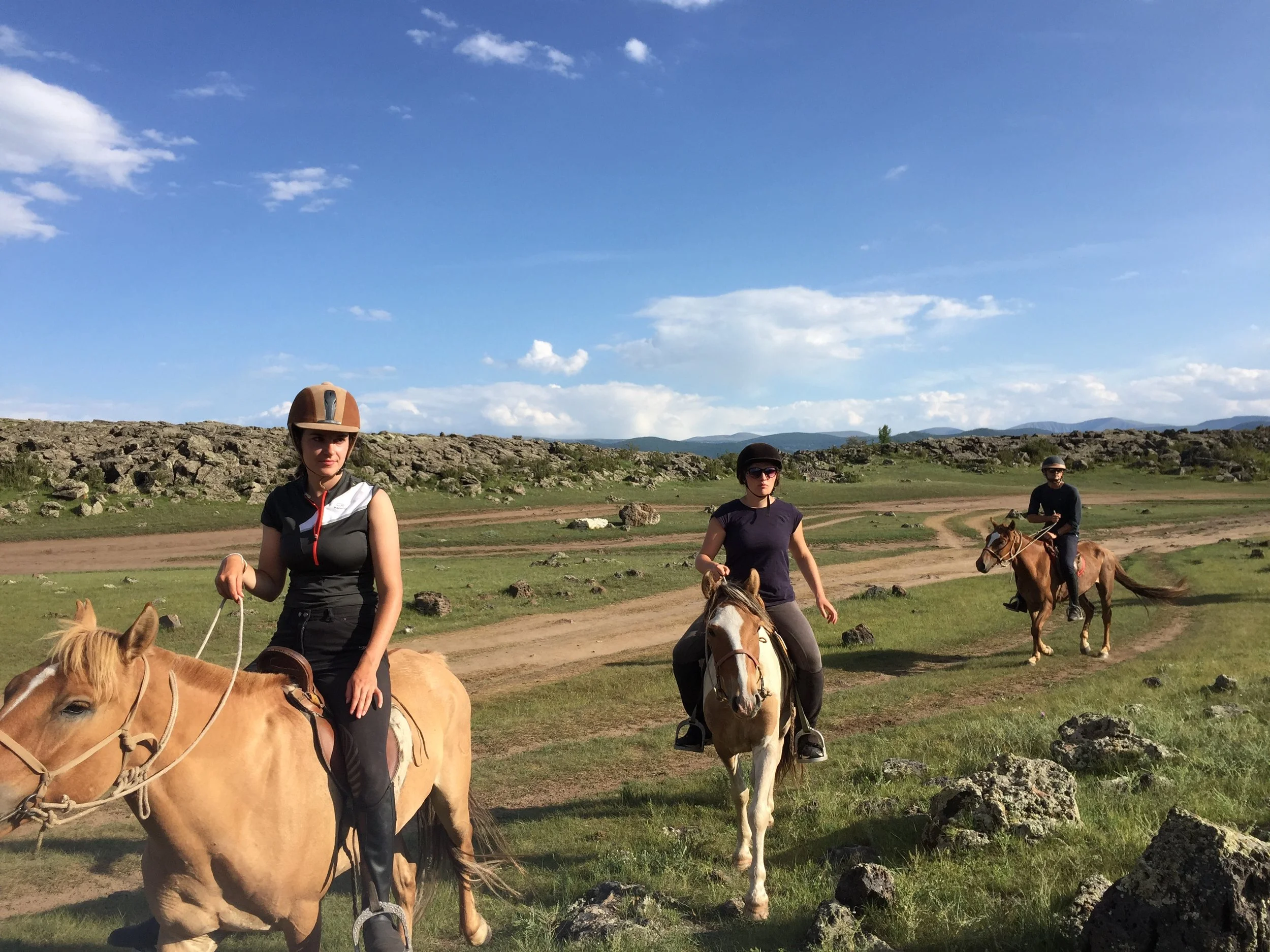
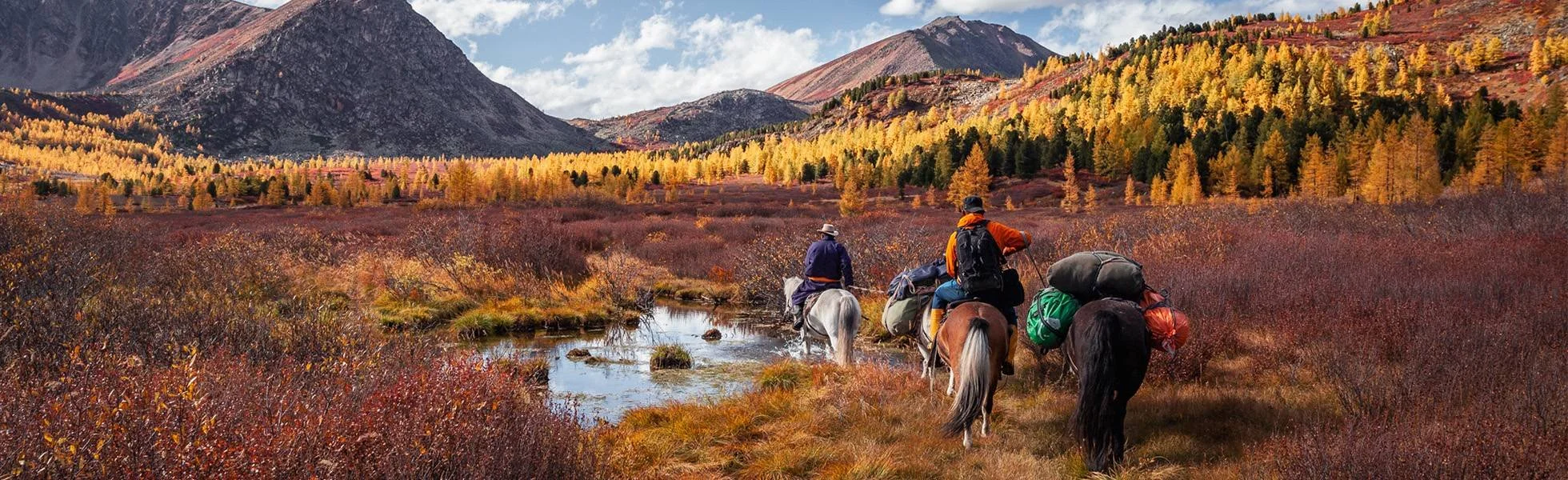
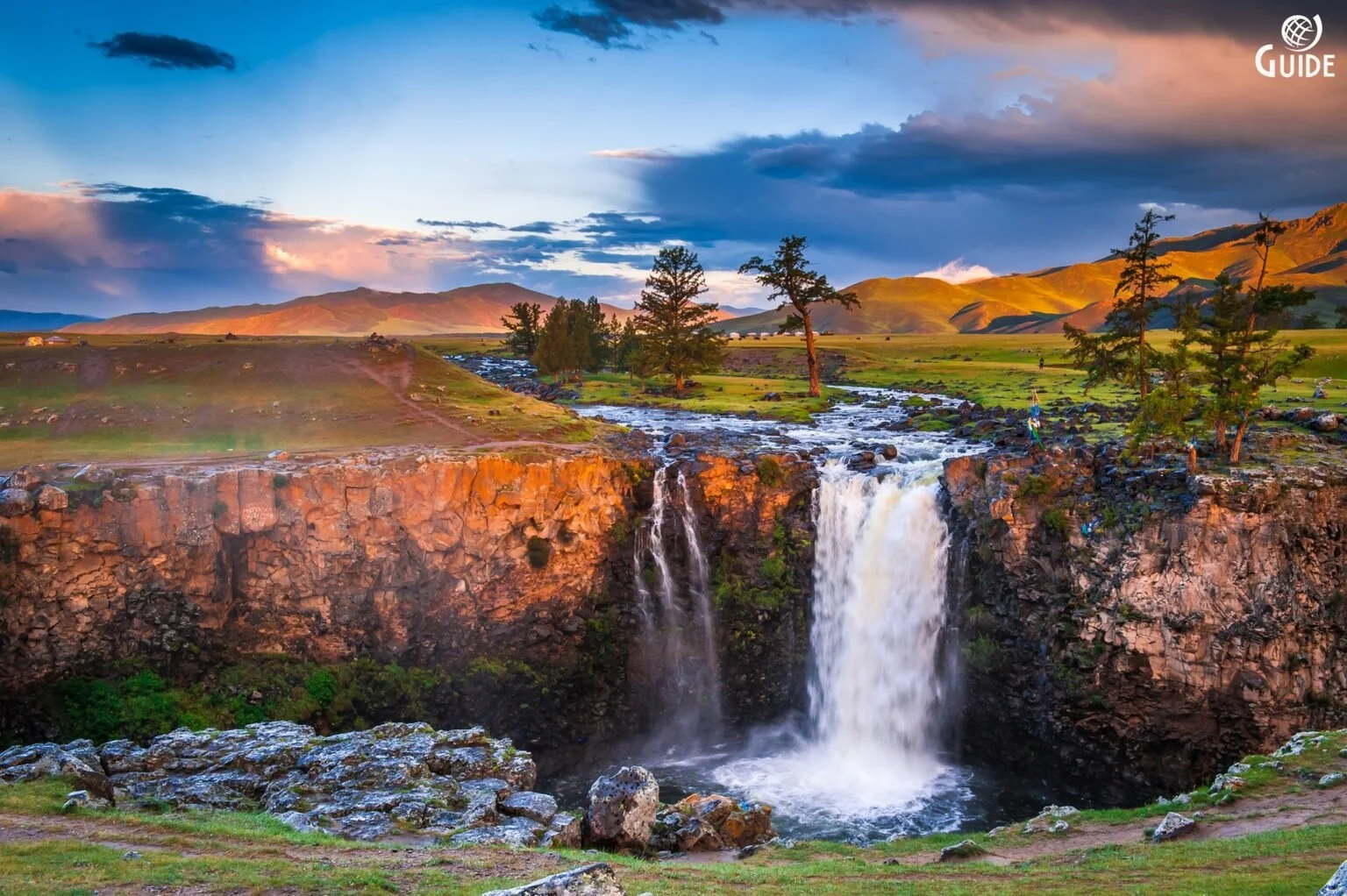
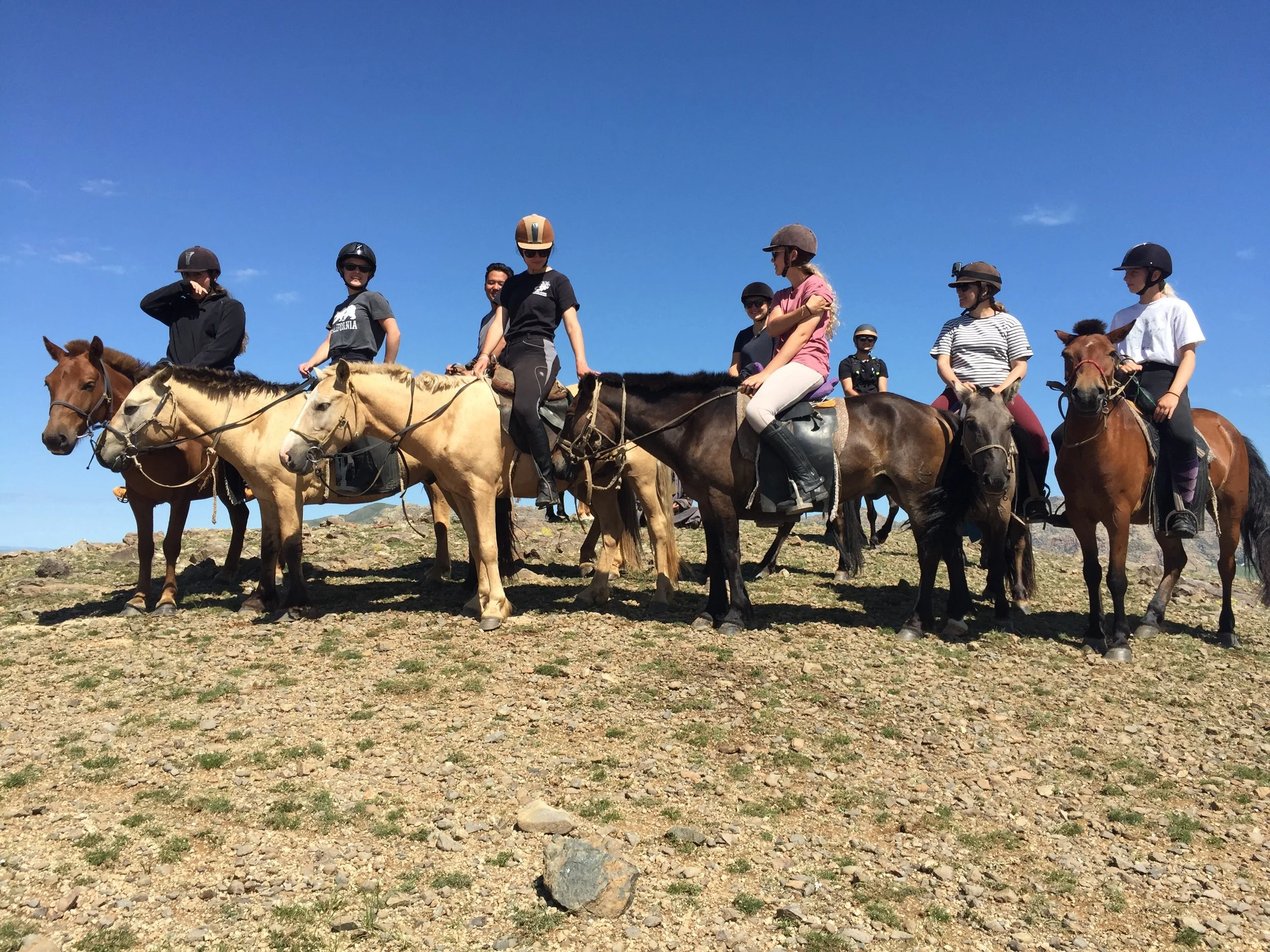
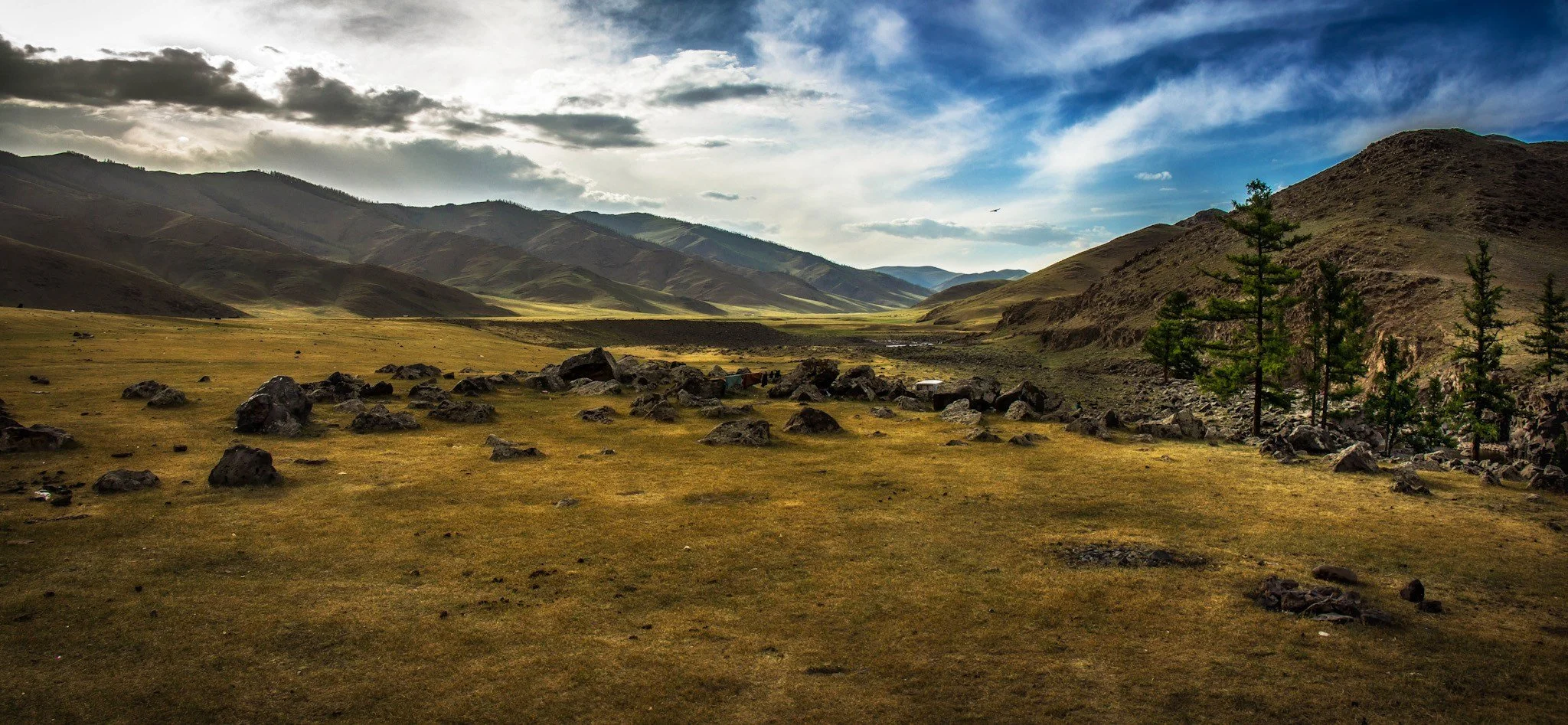
This 8-day expedition is a journey through the cradle of Mongolian nomadic civilization, starting with a transition from the modern capital to the ancient landscapes of the west. We begin at the Elsen Tasarkhai sand dunes—the "Mini Gobi"—where the desert meets the green steppe, offering a unique chance to ride camels before reaching the 13th-century capital of Kharkhorin. The heart of the trip focuses on the Orkhon Valley, a UNESCO World Heritage site, where we balance the power of the Orkhon Waterfall with the quiet, mountaintop serenity of the Tövkhön Monastery. Riding through these volcanic landscapes and larch forests, you’ll experience the steppe exactly as the ancient Khans did.
The second half of the tour shifts toward restoration and the unique wildlife of the central plains. After several days in the saddle, we descend to the Tsenkher Hot Springs for a much-needed soak in natural mineral waters under a starlit sky. We say a final goodbye to our horses near the charming mountain town of Tsetserleg before heading to Khustai National Park, home to the world’s last truly wild horses, the Takhi. Watching these prehistoric animals roam free at sunset provides a powerful final connection to the land. The adventure concludes in Ulaanbaatar with the world-class Tumen Ekh ensemble, where the haunting sounds of throat singing and traditional dance bring the spirit of the steppe into the city.
*Prices are determined by group size: the more people in a tour, the lower the price will be.
WHAT’S INCLUDED
Accommodation

Transportation
Meals & Catering
Personal Guide
Activities & Fees
WHAT’S NOT INCLUDED
Flights

Single Supplement
Personal Expenses
Tips & Gratuities
Travel Insurance
Itinerary
-
Morning: Departure from Ulaanbaatar. We stop at Elsen Tasarkhai sand dunes. You can hike the dunes or take a short camel ride across the "Mini Gobi."
Lunch: A traditional road-stop lunch of Khuushuur (savory fried meat pastries).
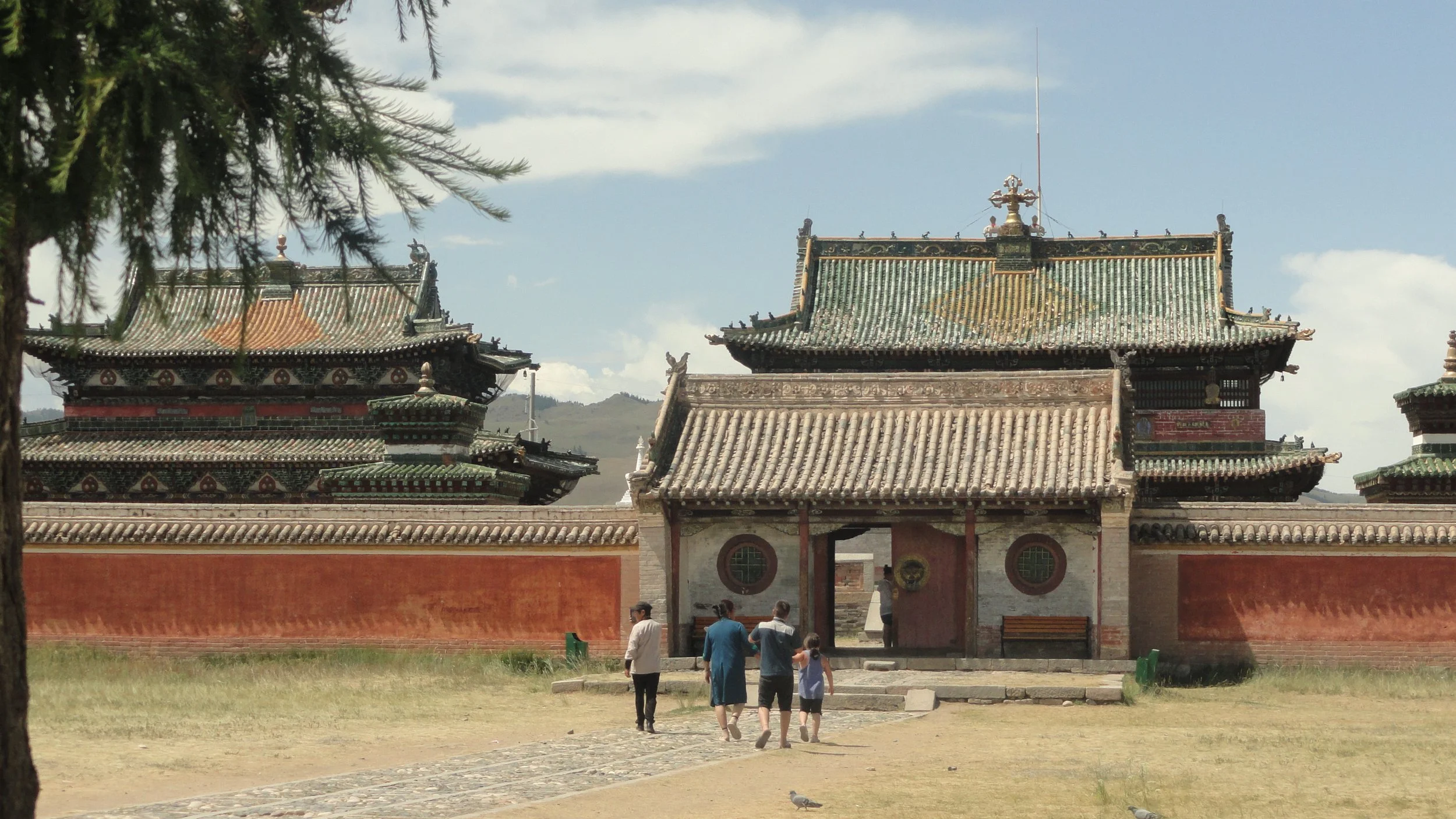
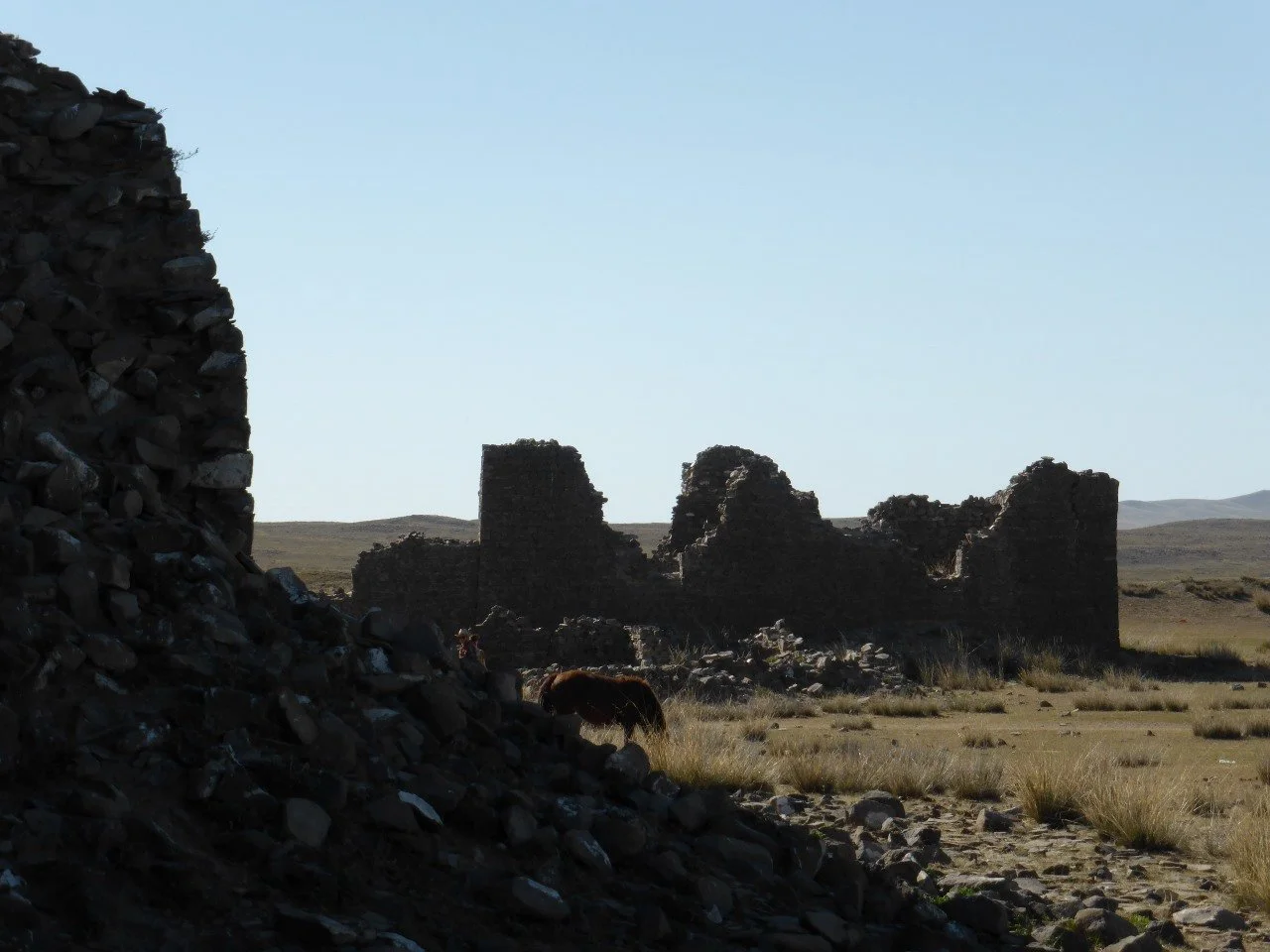
Afternoon: Arrive in Kharkhorin. We explore the Erdene Zuu Monastery and the Kharkhorin Museum to see artifacts from the Mongol Empire.
Dinner: Dinner at the camp with a view of the ancient monastery walls.
Overnight: Ger Camp in Kharkhorin.
-
Morning: A scenic drive into the volcanic Orkhon Valley, stopping at the Uurtiin Tokhoi canyon for panoramic river views.
Lunch: Picnic at the Orkhon Waterfall (Ulaan Tsutgalan).
Afternoon: Meet your nomadic guides and horses. We’ll take a 2-hour "get-to-know-you" ride around the waterfall area to check your comfort in the saddle.
Dinner: Home-cooked dinner with a Yak-herding nomadic family.
Overnight: Nomadic Family Guest Ger.
-
Morning: A full day of riding through the Orkhon Valley. The horses navigate wide meadows and black volcanic rock fields.
Lunch: Trail-side lunch prepared by our cook by the river.
Afternoon: We continue deep into the valley, passing local nomadic camps and ancient burial mounds.
Dinner: Campfire dinner under the stars.
Overnight: Camping in high-quality tents by the river.
-
Morning: A forested mountain climb on horseback to reach Tövkhön Monastery. This temple was built by the first Bogd Gegeen as a meditation retreat.
Lunch: A mountaintop lunch with views over the endless Khangai forest.
Afternoon: Explore the meditation caves and temples at the summit before riding back down to a mountain meadow.
Dinner: Hearty stew at the campsite.
Overnight: Camping in a mountain meadow.
-
Morning: A scenic ride through the flower-filled "Mogoit" valley as we move toward the Tsenkher region.
Lunch: Final trail lunch with the horsemen.
Afternoon: Arrival at Tsenkher Hot Springs. We settle into the resort and head straight for the mineral pools to soak away the trail dust.
Evening: A long, relaxing soak in the outdoor hot springs.
Overnight: Tourist Ger Camp (with hot spring and pool access).
-
Morning: A final 3-hour ride toward Tsetserleg. We say goodbye to our horses and herders here.
Lunch: Farewell lunch with the nomadic team near the town.
Afternoon: Visit the Zaya Gegeen Monastery Museum and intertwine with the local lifestyle by visiting local market.
Dinner: At local ger camp.
Overnight: Ger camp just in the outskirts of Tsetserleg.
-
Morning: A 4-hour drive from Tsetserleg to Khustai National Park.
Lunch: Lunch at the Khustai research center.
Afternoon: A sunset drive into the park to track the Przewalski’s wild horses (Takhi). Keep an eye out for red deer and marmots.
Overnight: Tourist Ger Camp at Khustai.
-
Morning: A 2-hour drive back to Ulaanbaatar.
Lunch: In the city at Veranda or The Bull.
Afternoon: Free time for cashmere shopping at the State Department Store or GOBI Cashmere.
Evening: Attend the Tumen Ekh cultural show (6:00 PM) followed by a final celebratory Hot Pot dinner.
Extra Information
-
Reservation & Deposit
Deposit: To secure a spot on the 8-day tour, a 50% non-refundable deposit of the total tour cost is required at the time of booking.
Final Payment: The remaining 50% balance must be paid in full at least 14 days before the tour start date. For last-minute bookings (within 30 days of departure), full payment is required immediately.
Payment Methods: We accept bank transfers (SWIFT/Wise) and Paypal.
2. Travel Insurance (Mandatory)
Mongolia is a land of adventure, and the nomadic lifestyle involves remote areas. Comprehensive travel insurance is a mandatory requirement for all participants. * Coverage: Your policy must cover emergency medical evacuation, trip cancellation, and personal injury.
Adventure Activities: Ensure your insurance specifically covers horseback riding, as some standard policies exclude this.
Proof of Insurance: We require a digital copy of your insurance certificate before the tour begins.
3. Cancellation & Refunds
We understand that plans change. Our refund policy for the remaining balance is as follows:
31+ days before departure: 100% of the balance is refunded (minus the non-refundable deposit).
15–30 days before departure: 50% of the total tour cost is refunded.
Less than 14 days before departure: No refund is available.
4. Nomadic Stay Etiquette & Logistics
Facilities: Living with a nomadic family is a raw, authentic experience. Please note that guest Gers usually use traditional "pit latrines" and have limited electricity (solar-powered for lights).
Health & Diet: Please inform us of any allergies or dietary restrictions (e.g., vegetarian) at least 14 days in advance. Nomadic diets are heavily meat and dairy-based.
Passport: Your passport must be valid for at least 6 months beyond your date of arrival in Mongolia.
-
Mongolian horses are small but incredibly sturdy and reactive. They are "working" horses, not pets, and they respond to different cues than horses in the West. Following these rules will help you form a bond with your horse and avoid spooking them.
1. Approaching & Mounting
The Left Side Rule: Always approach, mount, and dismount your horse from the left side. Mongolian horses are trained exclusively from the left and can become startled or aggressive if you approach from the right.
No Sudden Movements: Avoid flapping clothes, swinging cameras, or sudden gestures. Mongolian horses are naturally wary of "unusual" movements.
Mounting: Hold the reins firmly but not tightly in your left hand while mounting. Ensure you are settled in the saddle before letting the horse walk.
2. Safety Around the Horse
The "No-Go" Zone: Never walk directly behind a horse. If you must move around them, give them a wide berth (at least 2 meters) or keep a hand on their hip so they know exactly where you are.
Secure Your Gear: Ensure all bags, raincoats, and camera straps are tightly secured. A flapping jacket sleeve is the #1 cause of horses spooking and bolting on the steppe.
Don't Tie to Yourself: Never wrap the reins around your hand or waist. If the horse trips or runs, you need to be able to let go instantly.
3. On the Trail
The "Lead" Horse: Always follow the lead of your local nomadic guide. They know the terrain and the temperament of the herd. Avoid overtaking the lead horse unless instructed.
Distance: Keep at least one horse-length between you and the rider in front. This prevents horses from kicking each other.
Steep Terrain: On steep volcanic descents or slippery forest paths, your guide may ask you to dismount and lead your horse by the reins. This is for both your safety and the horse's.
4. Understanding Cues
The "Chu" Sound: To make the horse go faster, Mongolians use the sound "Chu!". You don't need to kick hard; a vocal cue is often enough.
The Reins: Use neck-reining (moving the reins against the horse's neck) rather than pulling on the bit. Mongolian horses are sensitive to the neck pressure.
Stopping: A firm, steady pull back on both reins while saying "Woah" or "Tsh" will bring the horse to a halt.
5. Equipment Check
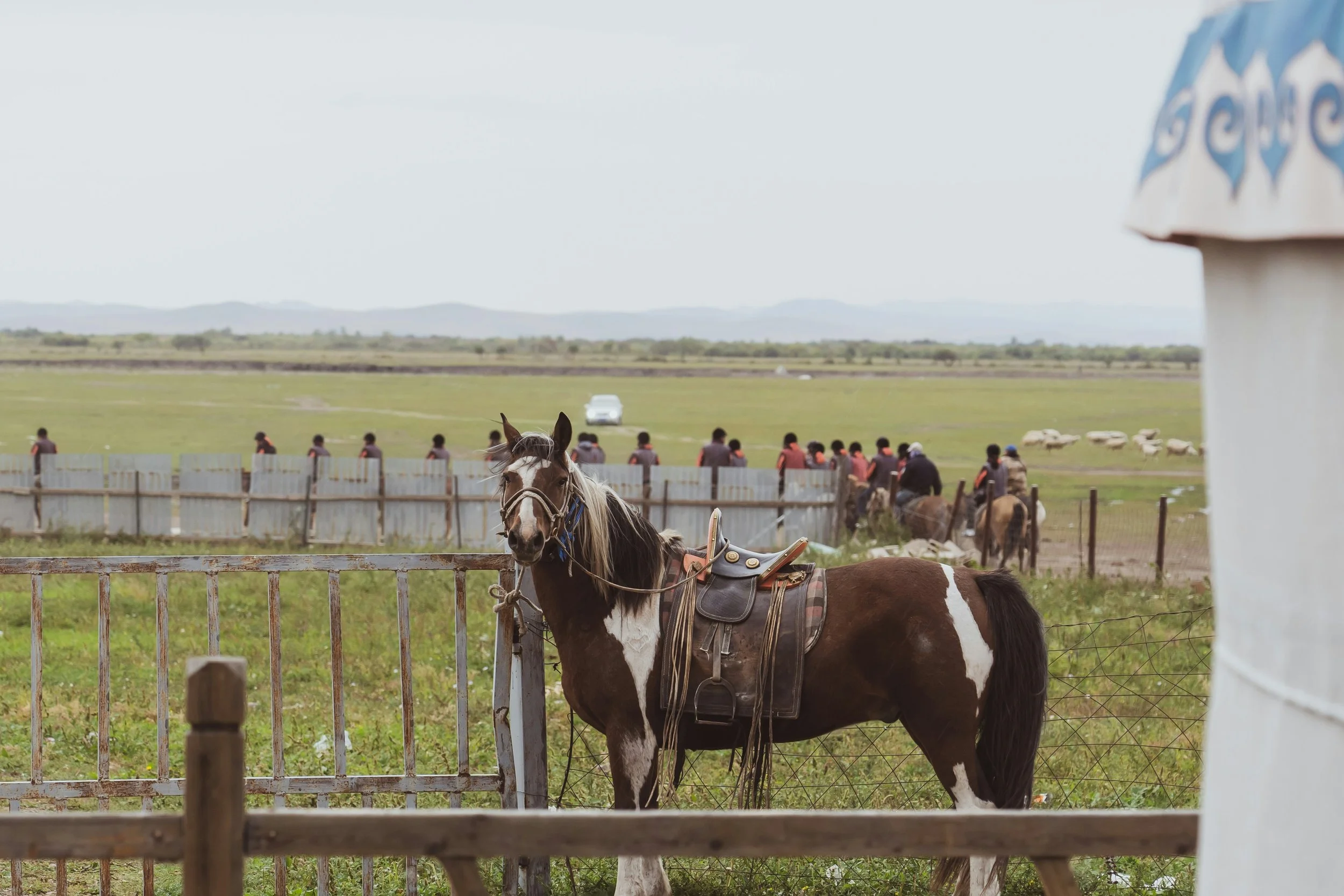
The Saddle: We use traditional Mongolian wooden saddles with leather padding or Russian-style saddles. If your stirrups feel uneven or the saddle feels loose, tell your guide immediately—do not try to adjust it while moving.
Helmet: While nomadic herders don't wear them, we strongly recommend all guests wear a riding helmet. The terrain can be unpredictable.
-
Because this trip covers everything from sand dunes to high mountain monasteries, the "layering" rule is non-negotiable.
1. Riding Specific Clothing
Riding Pants: Soft-shell hiking trousers or leggings. Avoid jeans with thick inner seams as they will cause painful chafing during horse rides.
Boots: Sturdy, waterproof hiking boots with a good grip. We highly recommend half chaps to protect the lower legs from the stirrup leathers.
Long-Sleeved Shirts: Even in the heat, a lightweight long-sleeved shirt protects against the intense high-altitude sun and biting flies in the river valleys.
2. Mountain & Night Layers
Thermal Base Layer: A set of wool or synthetic thermals. Temperatures in the Khangai Mountains can drop toward freezing even in July.
Heavy Fleece or Wool Sweater: For evenings around the campfire.
Down Jacket: A packable "puffer" jacket is the best way to stay warm. But we highly recommend a toned down, so that it won’t distract the horses.
Rain Shell: A 100% waterproof and windproof jacket. Mountain storms can move in quickly. Same as the down jacket, color should be toned down.
3. Gear for the Steppe & Wilds
Binoculars: Essential for Day 7 at Khustai National Park to get a clear view of the Takhi wild horses and red deer. /Not necessary/
Power Bank: While the ger camps and hotels have power, your days camping will not. A high-capacity power bank is a must for cameras and phones.
Headlamp: Crucial for navigating camps and nomadic Gers at night.
Sun Protection: High-SPF sunscreen, polarized sunglasses, and a hat with a chin strap (so it doesn’t blow away while galloping).
4. Health & Hygiene
Personal First Aid: Include "Mole Skin" or blister plasters, as new boots and long rides are a recipe for blisters.
Wet Wipes & Hand Sanitizer: Essential for the days spent camping and visiting nomadic families.
Biodegradable Soap: If guests plan to wash in the Orkhon River.
5. Nomadic Tradition (Optional)
Small Gifts: If guests want to thank their nomadic hosts, small, practical items or sweets are always appreciated.
-
Mongolian nomads are world-famous for their hospitality, but their homes are considered sacred spaces. Following these simple customs will show your hosts that you respect their way of life.
Entering the Ger
The Threshold: Never step on the wooden threshold of the door; it is considered the "neck" of the home. Always step over it with your right foot first.
Don’t Knock: Traditionally, Mongolians don't knock. Instead, call out "Nokhoi khor" (literally: "hold the dog") to announce your arrival.
The Support Pillars: Never lean against or walk between the two central support pillars. These represent the stability of the family and the connection between heaven and earth.
Direction: Once inside, move in a clockwise direction. Guests are typically seated on the left (west) side of the Ger.
Food & Drink Rituals
The "Taste Test": If you are offered milk tea or a snack, always accept it with your right hand. Even if you aren't hungry, take a small sip or a tiny bite before putting it down. Refusing outright is considered impolite.
Right Hand Only: Always give and receive items (especially food, tea, or gifts) with your right hand. For extra respect, support your right elbow with your left hand.
Fire is Sacred: Never throw trash, water, or food scraps into the central stove. Fire is the most sacred element of the home.
General "Dos and Don'ts"
Feet Placement: When sitting, never point the soles of your feet toward the altar (at the back of the Ger) or toward other people. It’s best to sit cross-legged or tuck your feet under you.
Hats: Mongolians value the head as the most sacred part of the body. Never touch another person’s hat, and if you take yours off, place it in a high spot (like on a bed or a shelf) rather than on the floor.
Step on a Foot: If you accidentally step on someone's foot, immediately shake their hand. It’s the local way of saying "I didn't mean any harm."
Whistling: Avoid whistling inside the Ger; locals believe it "calls the wind" or brings bad luck to the household.