The Qing Era: The Manchu Integration
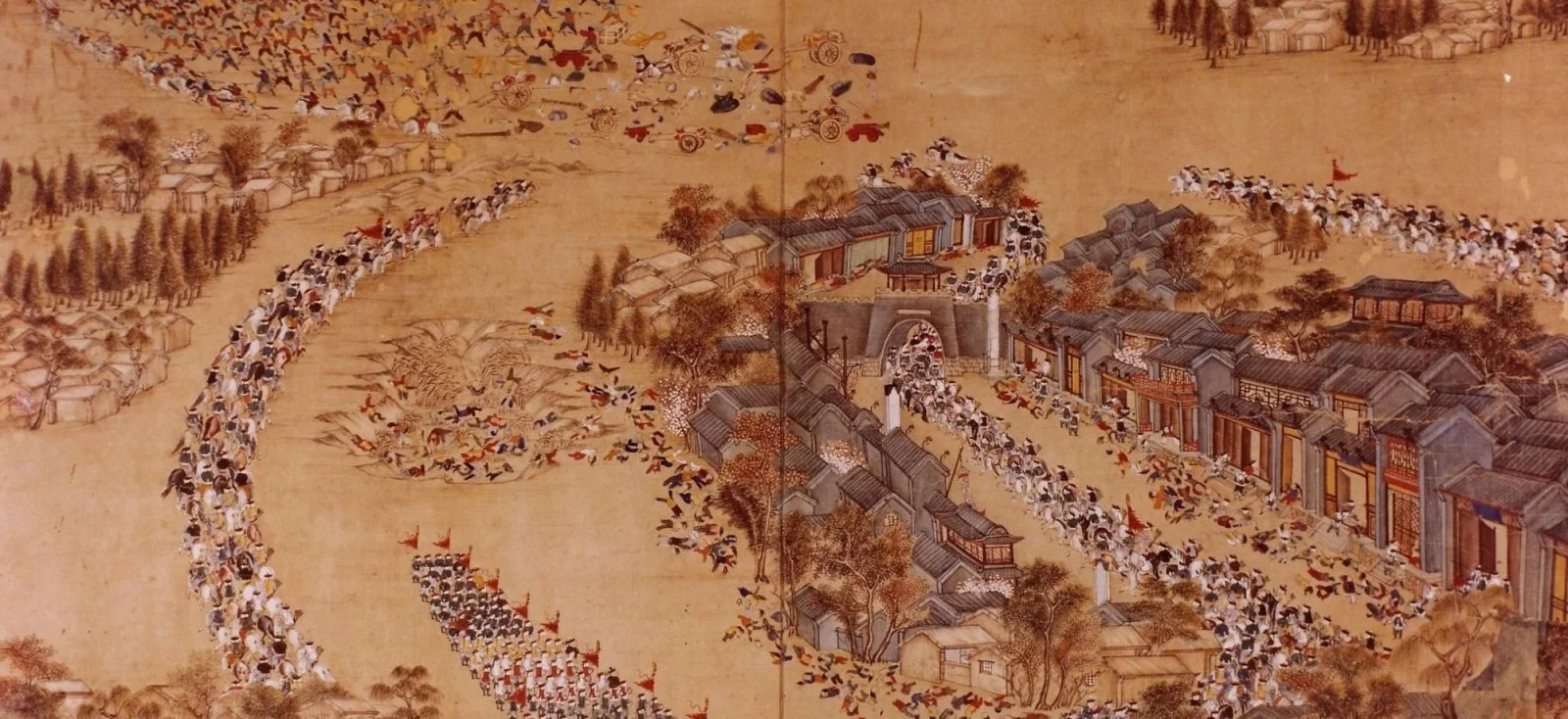
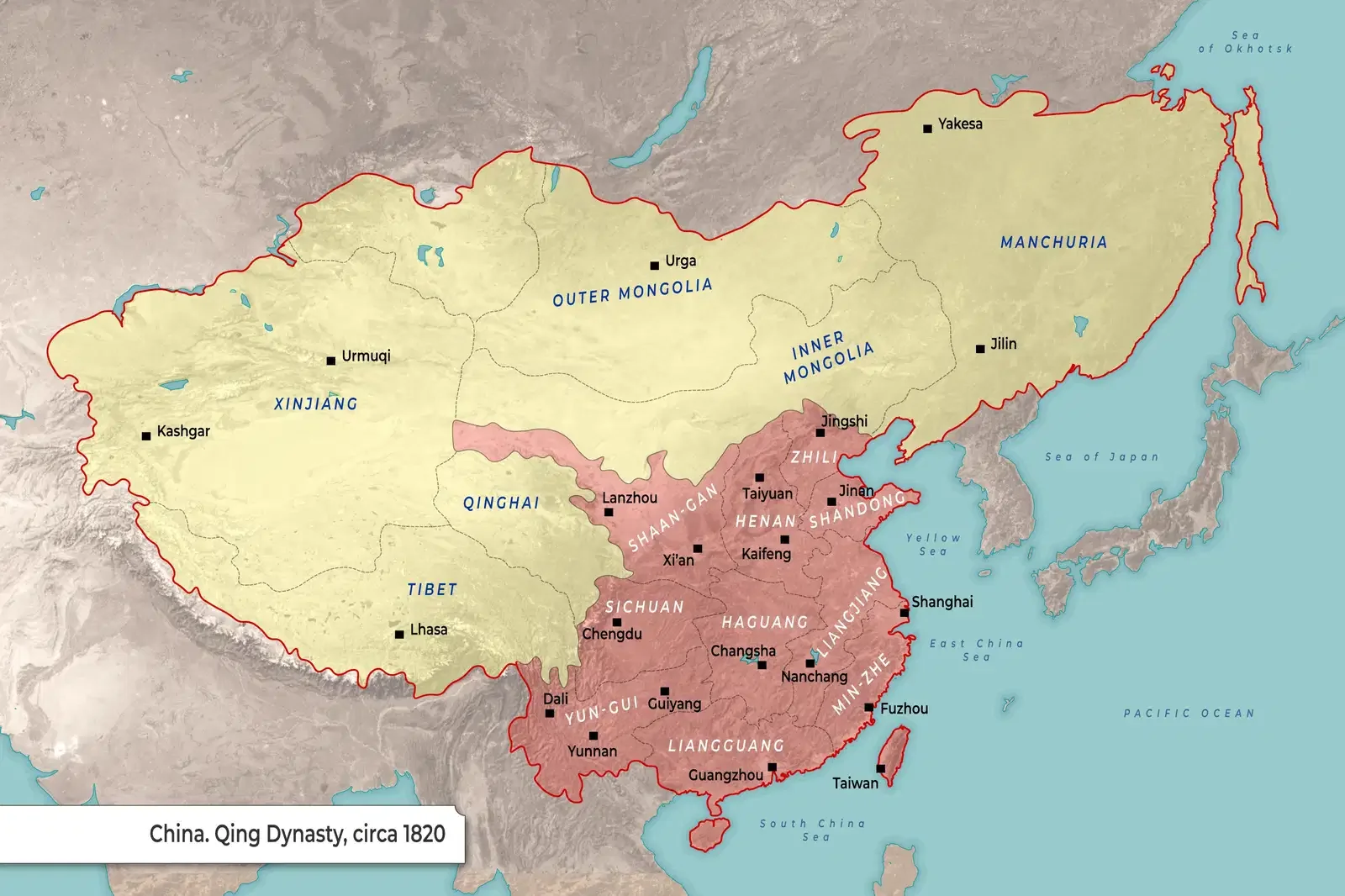
Between 1691 and 1911, Mongolia was governed by the Manchu-led Qing Dynasty. This was a transformative era of "Pax Mongolica-Manchurica," where the fierce warrior culture of the steppe transitioned into a deeply spiritual society centered around monasteries and nomadic administration.
The Qing Era: The Manchu Integration
Between 1691 and 1911, Mongolia was governed by the Manchu-led Qing Dynasty. This was a transformative era of "Pax Mongolica-Manchurica," where the fierce warrior culture of the steppe transitioned into a deeply spiritual society centered around monasteries and nomadic administration.
Governance: The Banners and Ambans
The Manchus did not rule Mongolia through direct force alone, but through a sophisticated administrative system that reorganized the nomadic way of life.
The Banner System (Khoshuu): The Qing divided the Mongol tribes into "Banners." Unlike the ancient days of free-roaming migration, nomads were now tied to specific territories. This brought stability but also limited the traditional nomadic mobility.
The Diet of Dolon Nor (1691): This historical turning point saw the Khalkha (Northern) Mongol princes formally submit to the Qing Emperor in exchange for protection against the Zungar Mongols.
The Ambans: Manchu governors were stationed in key hubs like Khüree (now Ulaanbaatar) and Uliastai to oversee trade, tax collection, and border security with the rising Russian Empire.
The Spiritual Heart: The Rise of Buddhism
During this period, the Qing actively encouraged the spread of Tibetan Buddhism. It became the dominant social and cultural force in Mongolia.
Monastic Cities: Massive monasteries like Amarbayasgalant and Gandantegchinlen were built, becoming centers of medicine, philosophy, and art.
The Bogd Gegeen: The spiritual leader of Mongolia, the Bogd Gegeen, became the most powerful figure in the land, second only to the Emperor, eventually leading the movement for independence.
Cultural Shift: By the late 19th century, nearly one-third of the male population were monks (Lamas), fundamentally shifting the demographics and economy of the nation.
The Economic Landscape
Trade during the Qing era was dominated by Chinese merchant firms, most notably Da-Sheng-Kui. While this brought tea, silk, and grain to the steppe, it also led to massive debt among Mongol nobles and commoners, fueling the desire for independence in the early 20th century.
Read more: https://en.wikipedia.org/wiki/Mongolia_under_Qing_rule
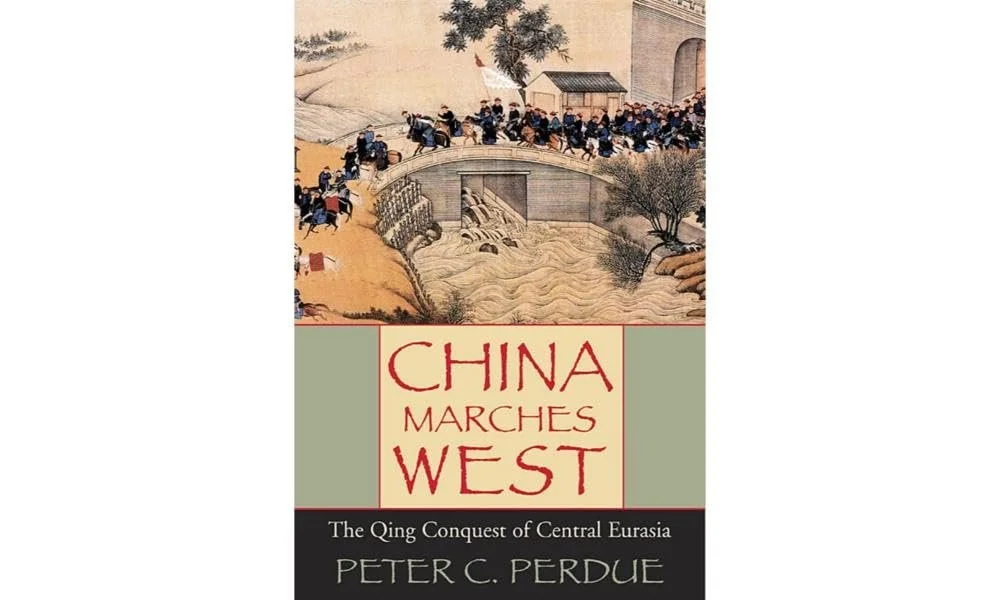
China Marches West: The Qing Conquest of Central Eurasia by Peter C. Perdue – A brilliant look at the 100-year war between the Qing and the Zungar Mongols.
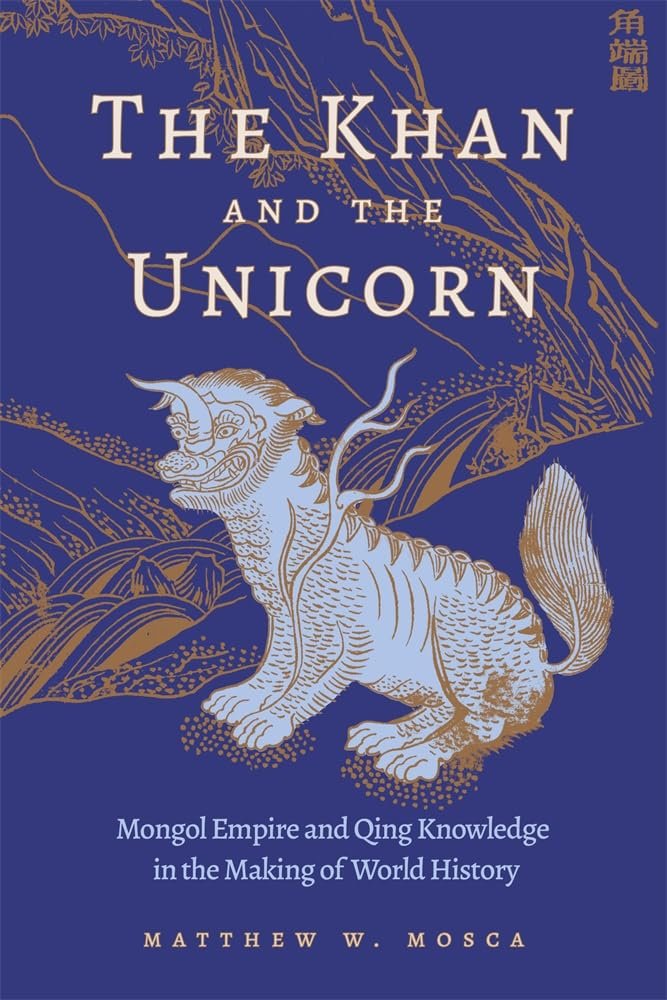
The Khan and the Unicorn: Mongol Empire and Qing Knowledge in the Making of World History by Matthew W. Mosca – Explores how the Manchus and Mongols communicated and shared political intelligence.
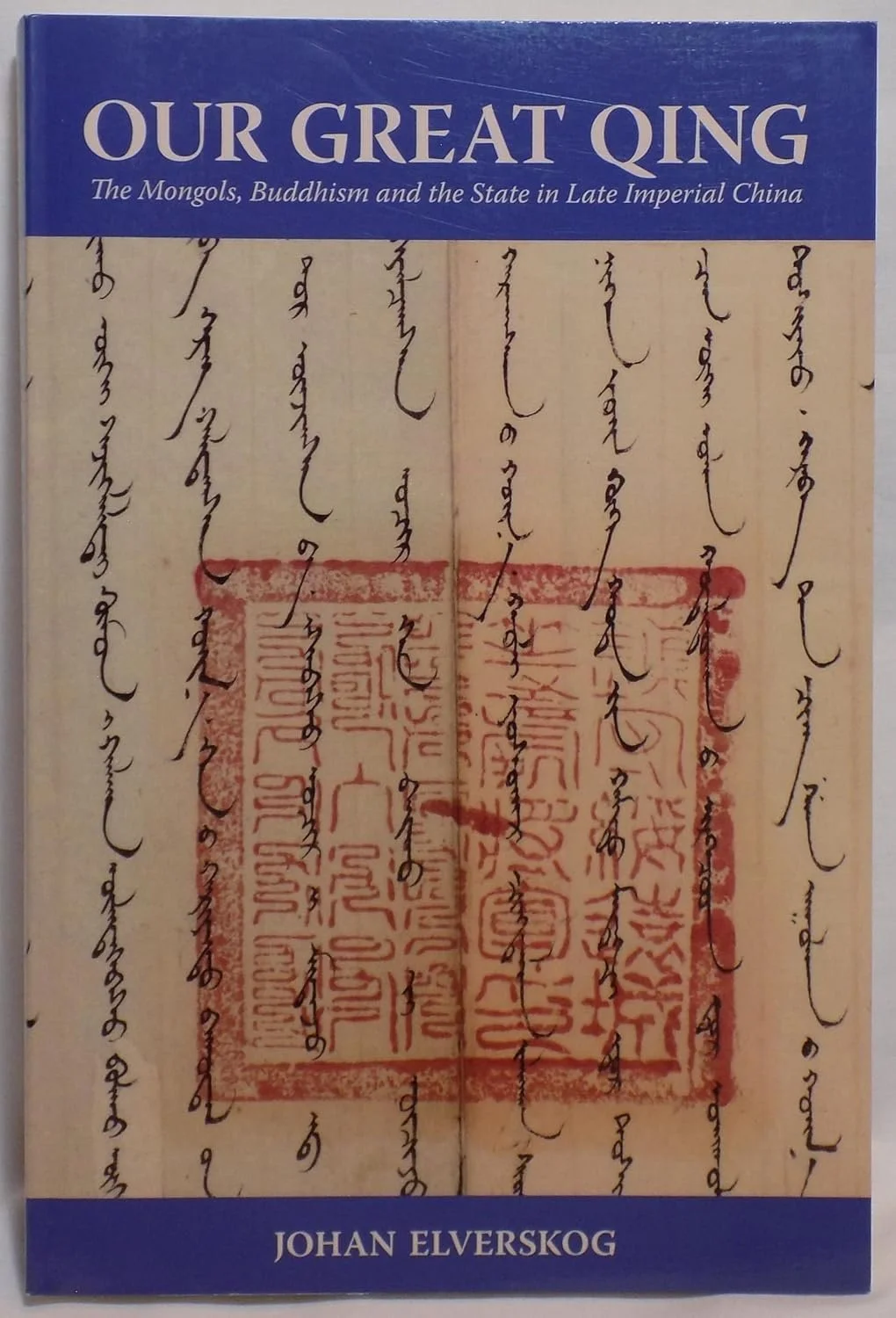
"Our Great Qing: The Mongols, Buddhism, and the State in Late Imperial China" by Johan Elverskog - understanding how the Mongols helped build the Qing Empire through their shared devotion to Tibetan Buddhism.