The Four Khanates: A Divided Glory
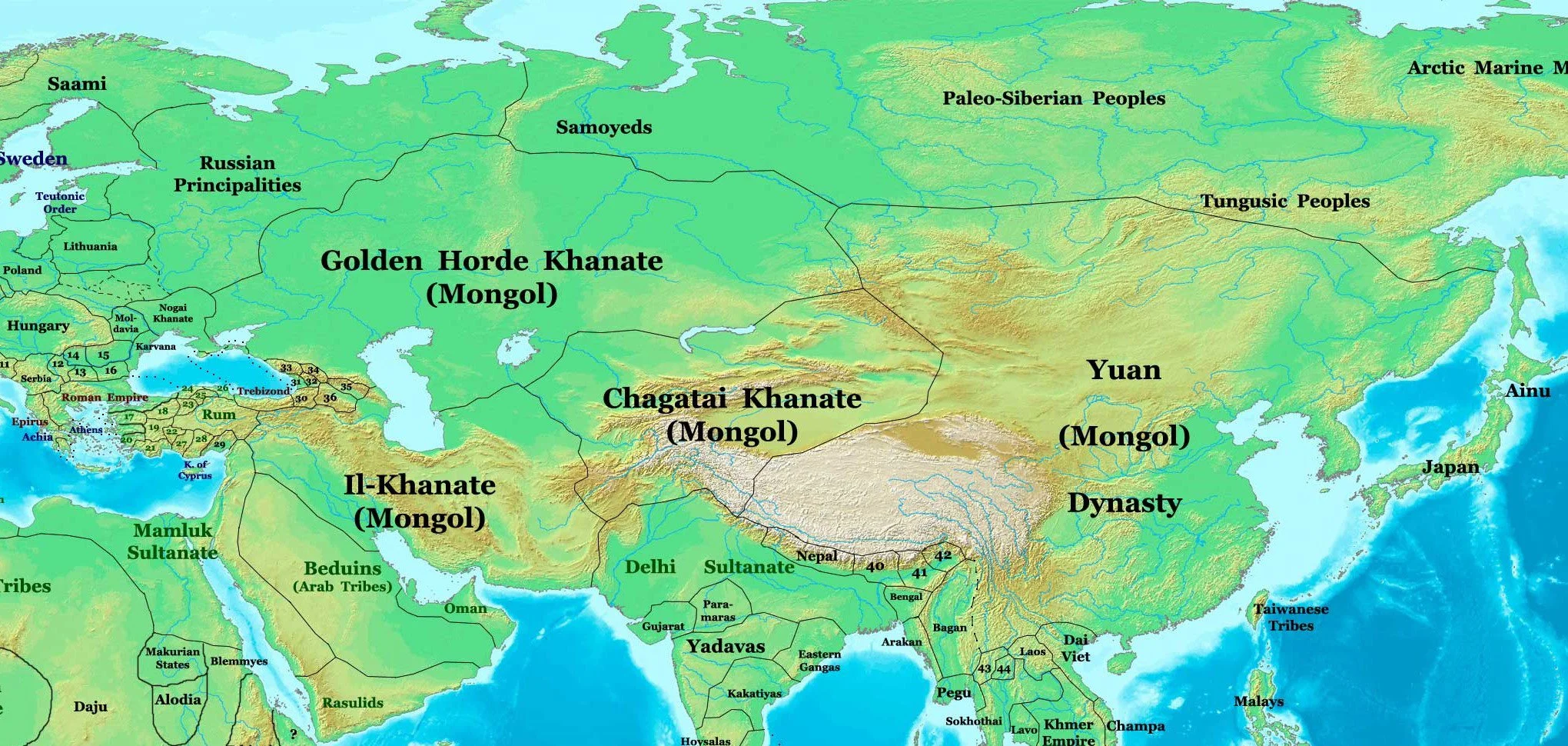
Following the death of Möngke Khan in 1259, the unified empire fractured into four independent "Ulus" or states. While they remained connected by trade and bloodlines, each followed a different path, becoming the foundations of modern-day Russia, Iran, China, and Central Asia.
1. The Yuan Dynasty (The Great Khanate)
Territory: Modern-day China, Mongolia, and Korea. Established by Kublai Khan, this was the wealthiest and most prestigious of the khanates. Kublai moved the capital from Karakorum to Dadu (modern Beijing), adopting Chinese administrative styles while keeping the Mongol elite at the top of the social hierarchy.
The Blend: This era saw the height of Tibetan Buddhism in the Mongol court and the revitalization of the Silk Road.
Legacy: Known for its sophisticated postal system, paper currency, and the courtly life described by Marco Polo.
2. The Ilkhanate (Persia & The Middle East)
Territory: Modern-day Iran, Iraq, Azerbaijan, and parts of Turkey. Founded by Hulagu Khan (the brother of Kublai), the Ilkhanate was a center of scientific and cultural rebirth. Despite the initial destruction of Baghdad, the Ilkhans became great patrons of Islamic art and science.
The Conversion: By the reign of Ghazan Khan in 1295, the Ilkhans officially converted to Islam, leading to a stunning fusion of Persian architecture and Mongol art.
Scientific Hub: They founded the Maragheh Observatory, which was the most advanced center for astronomy in the world at the time.
3. The Golden Horde (The Kipchak Khanate)
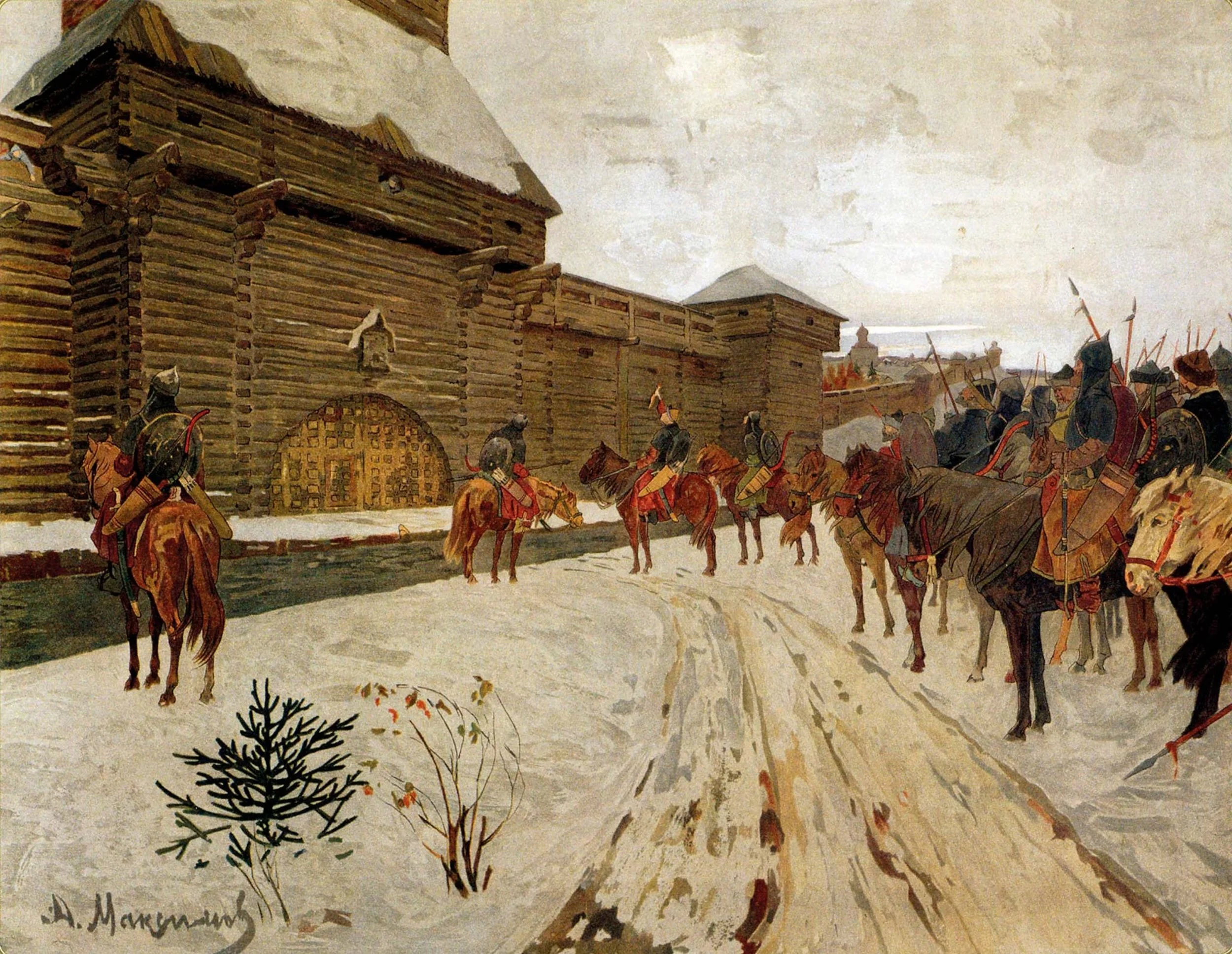
Territory: The Russian steppes, Eastern Europe, and Western Siberia. Led initially by Batu Khan, the Golden Horde was the longest-lasting of the four states. They ruled Russia from the distance of the steppe, demanding tribute from Russian princes—a period known in history as the "Tatar Yoke."
The Steppe Tradition: Unlike the Yuan, the Golden Horde stayed truest to their nomadic roots, living in great mobile tent-cities along the Volga River.
The Split: They eventually splintered into several smaller khanates (Kazan, Astrakhan, and Crimea), some of which lasted until the 18th century.
4. The Chagatai Khanate (Central Asia)
Territory: Central Asia, spanning modern Kazakhstan, Uzbekistan, and Western China. The heartland of the empire, this khanate was the most conservative, fiercely guarding the nomadic ways of life. It was often the "middle man" of the Silk Road, controlling the vital trade routes between the East and West.
Religious Melting Pot: It remained a complex mix of Shamanism, Buddhism, and Islam for centuries.
Rise of Tamerlane: In the 14th century, the great conqueror Timur (Tamerlane) rose from this khanate, claiming to be the restorer of the Mongol Empire.
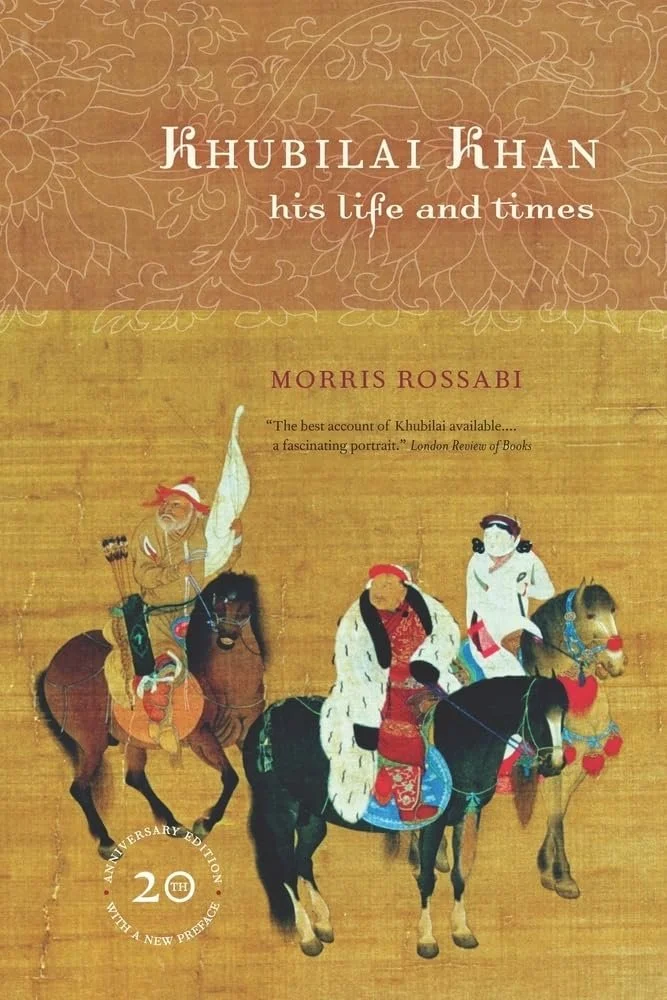
Kublai Khan: His Life and Times by Morris Rossabi: The definitive biography of the man who ruled China.
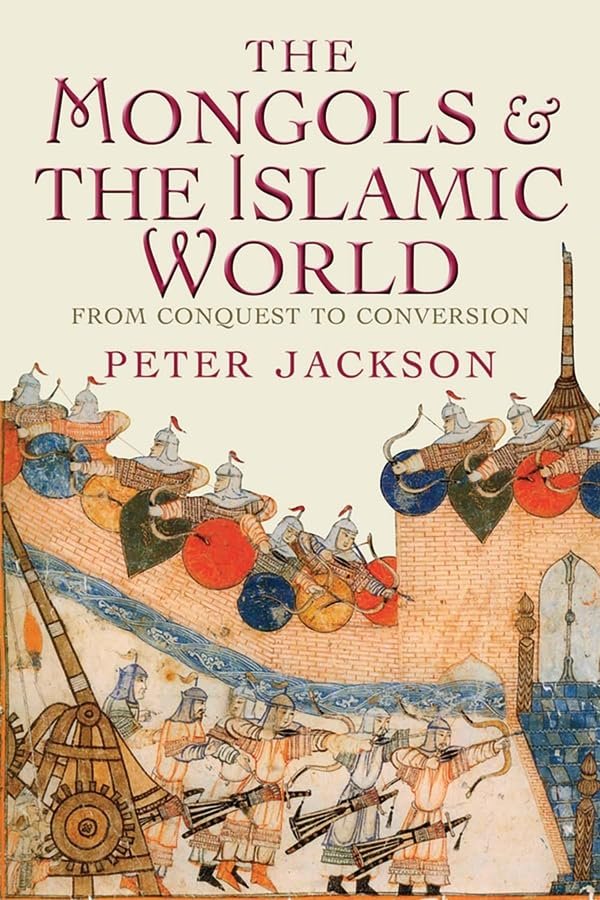
The Mongols and the Islamic World by Peter Jackson: An expert look at how the Ilkhans transformed the Middle East.
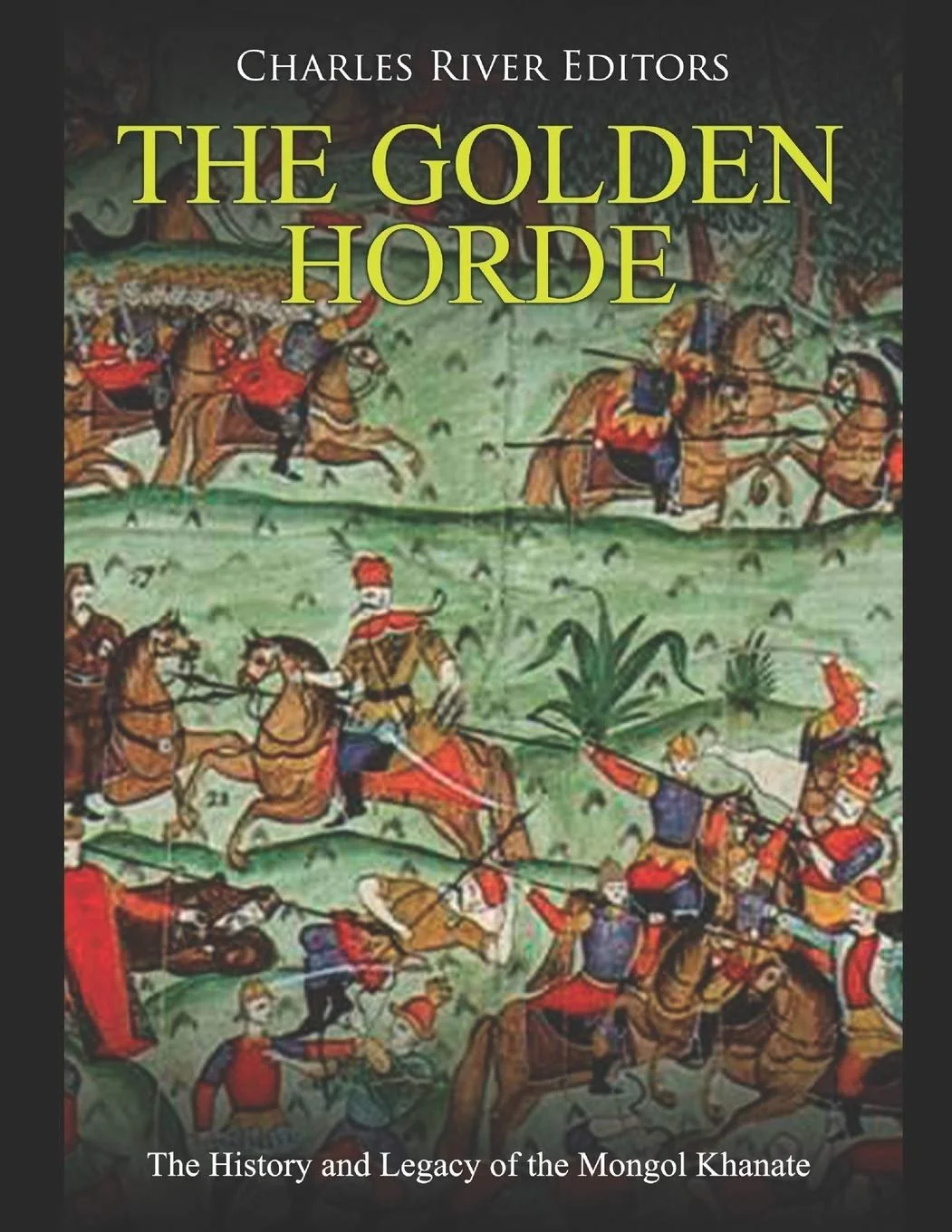
The Golden Horde: The History and Legacy of the Mongol Khanate: influence and the development of Eastern Europe and Russia for over 250 years.