The rise of the mongol empire
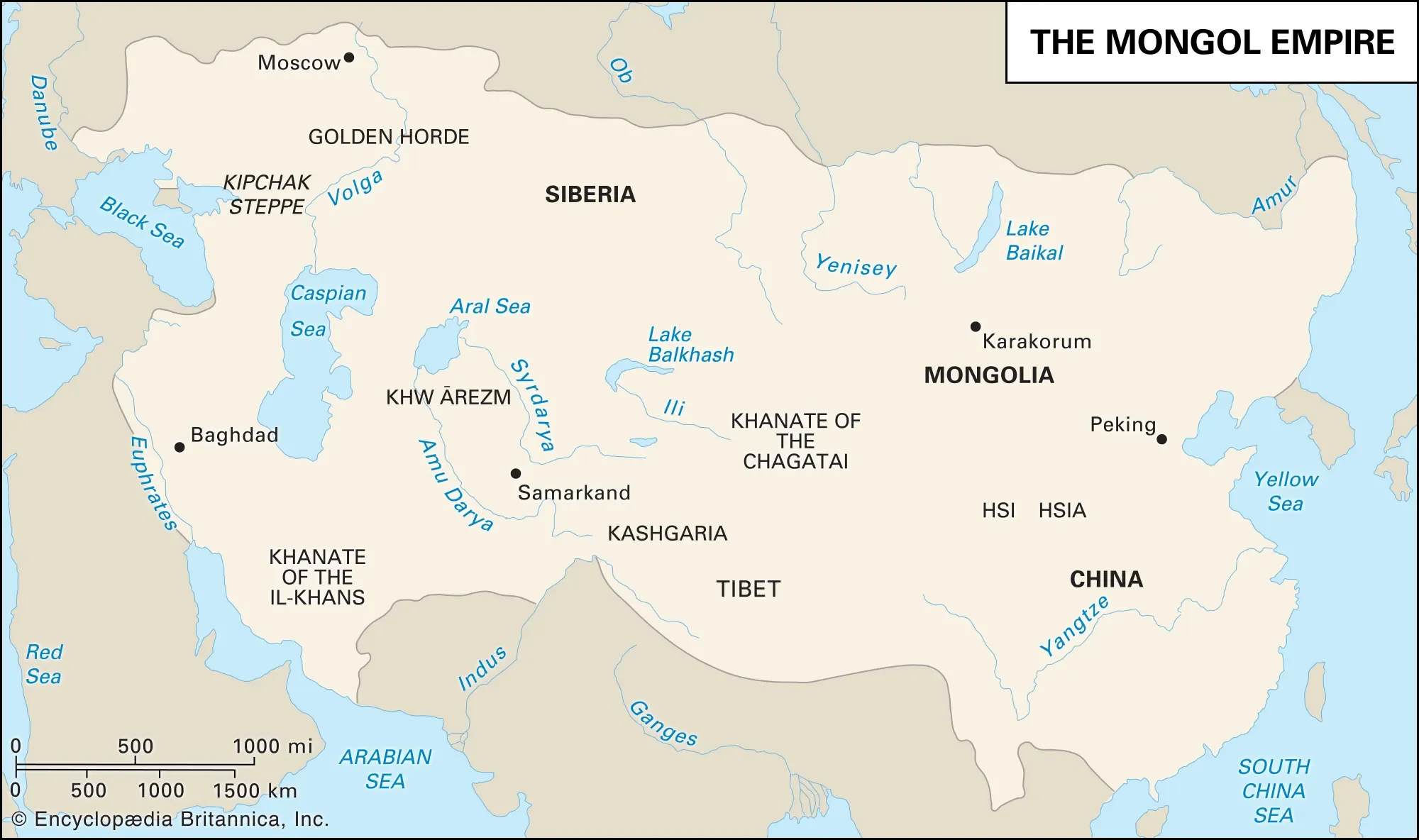
The Mongol Empire was the largest contiguous land empire in history, emerging from the unification of nomadic tribes in 1206. At its peak, it stretched from the Pacific Ocean to Central Europe, forever altering the course of global trade, technology, and governance.
How the World Changed
While often remembered for conquest, the Empire was a catalyst for the modern world. It established the first international postal system (the Yam), promoted universal literacy, and practiced unprecedented religious tolerance across its borders.
Key Pillars of the Empire
Meritocracy: Unlike neighboring empires, Genghis Khan promoted leaders based on skill and loyalty rather than noble birth or family ties.
The Silk Road: Under the "Pax Mongolica," trade routes became safe for the first time in centuries, allowing silk, gunpowder, and spices to flow between East and West.
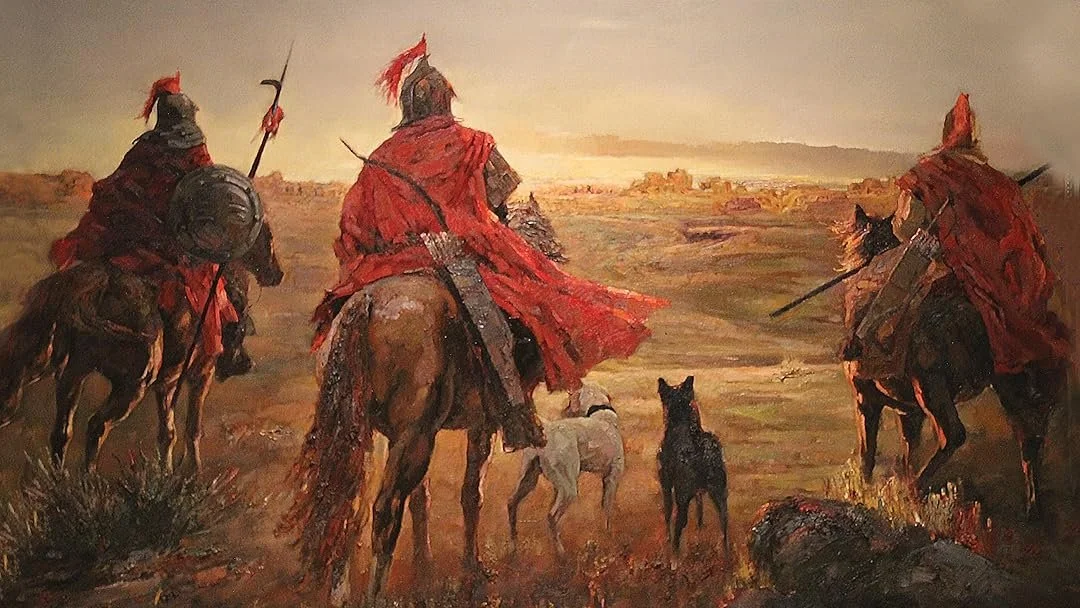
Military Innovation: The Mongols perfected horse archery and adopted advanced siege technology from conquered engineers, making their army the most mobile force in history.
Religious Freedom: The Khans hosted debates between Christians, Muslims, Buddhists, and Taoists, allowing all faiths to practice freely within the empire.
The Great Eras of the Empire
The Mongol story is divided into four major chapters that shaped Eurasia:
The Unification (1206): Temüjin unites the feuding tribes of the plateau and is proclaimed "Genghis Khan," the Universal Ruler.
The Great Expansion (1206–1260): Under Genghis and his son Ögedei, the empire toppled the Jin Dynasty, the Khwarezmian Empire, and reached the gates of Vienna.
The Four Khanates (1260–1368): The empire split into four administrative regions: The Yuan Dynasty (China), The Golden Horde (Russia), The Ilkhanate (Persia), and the Chagatai Khanate (Central Asia).
The Legacy: Though the unified empire eventually dissolved, its influence led to the rise of modern nations like Russia and China and the opening of global exploration.
Read more : https://en.wikipedia.org/wiki/Mongol_Empire
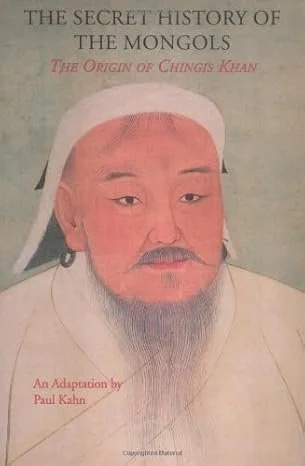
The Secret History of the Mongols – The only surviving Mongol account of Genghis Khan’s life, written shortly after his death.
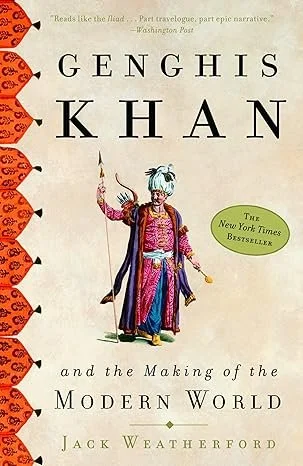
Genghis Khan and the Making of the Modern World by Jack Weatherford – A revolutionary book that highlights the empire’s role in creating modern global systems.
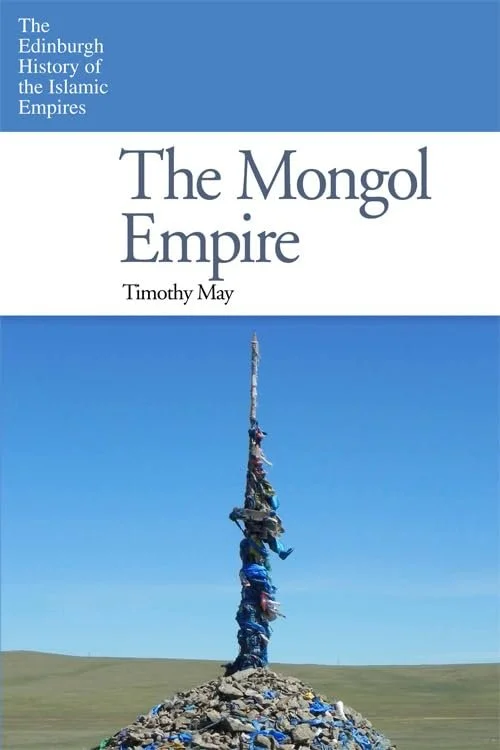
The Mongol Empire by Timothy May – A comprehensive and highly-regarded academic overview of the empire's rise and fall.